Harm reduction is a term that is becoming more mainstream and sometimes, misunderstood. Our Director of Ethics and Clinical Ethicist, Katarina Lee-Ameduri, explores what stigmas persist around harm reduction, and why she thinks it’s an important part of our health and social services in Manitoba.
Réseau Compassion Network: Let’s start with the basics: what is harm reduction?
Katarina Lee-Ameduri: I would define harm reduction as a philosophical approach to reducing negative secondary consequences associated with a specific behaviour. In practical terms, my favourite example is road safety: we wear seatbelts. They’re not perfect, but we hope the secondary outcomes of a car crash will be less negative if we’re wearing one. We can apply that same lens to many behaviours in society.
RCN: Seatbelts are a form of harm reduction we’re all on board with, so why is there so much more discussion about harm reduction in the health and social services sectors?
KLA: I really understand why this is controversial. I think the gap occurs from either not understanding the lived experience of someone with a substance use issue, or from not realizing that abstinence isn’t going to work for everyone. When harm reduction starts to include safer smoking supplies, injection kits and naloxone kits, people might start to think, “Well, if I give them this item, they’ll just keep using their substance of choice.” What we really should be saying is, “Well, if I give them this item, they’ll keep using their substance of choice, but we can help them from reducing their infection risks.”
RCN: First and foremost, harm reduction is aimed at reducing negative impacts of certain behaviours because every individual deserves support and health care, but you also believe it can have fiscal impacts on an overstretched medical system, correct?
KLA: If we step back and look at the bigger picture, harm reduction is a compassionate approach but on a frank level, it also saves money and frees up space in the health system. If someone get cellulitis from a used needle and is now dealing with a severe and evolving illness, they require a lot of medical care. I sometimes think that we are being penny-wise, pound foolish. It can be hard to get funding for low-cost harm reduction supplies like safer smoking supplies and injection kits, but we are paying thousands a day to care for someone in hospital who contracted an infection from unsafe practices.
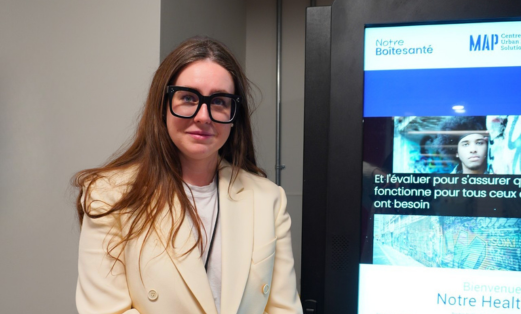
RCN: St. Boniface Hospital is the first in Canada to have a harm reduction kiosk –Our HealthBox- a machine that distributes free harm reduction and essential needs supplies such as toothbrushes, nutritional drinks and snacks, needles, pipes and other hygiene products. It’s been up and running for six months. What are you learning?
KLA: We’re learning that stigma is very real, and the challenges faced by people using the kiosk are even more real. They are asked some basic, optional questions about their experience and those who answer them overwhelmingly said this kiosk has a positive impact on their health, and that many don’t have a doctor or consistent access to health care. We’re also seeing what’s needed most by our community: hygiene kits and Boost nutritious beverage. People want to be clean and fed. There are no complaints about violence, trash or damage near the machine. Thousands of supplies are being given out to people who need them. That’s the full story here. I am grateful for the box and disheartened at what it’s showing. This is a snapshot of how people in our community are suffering: they can’t afford a toothbrush, they can’t afford to eat adequately. We can do better, and we should.