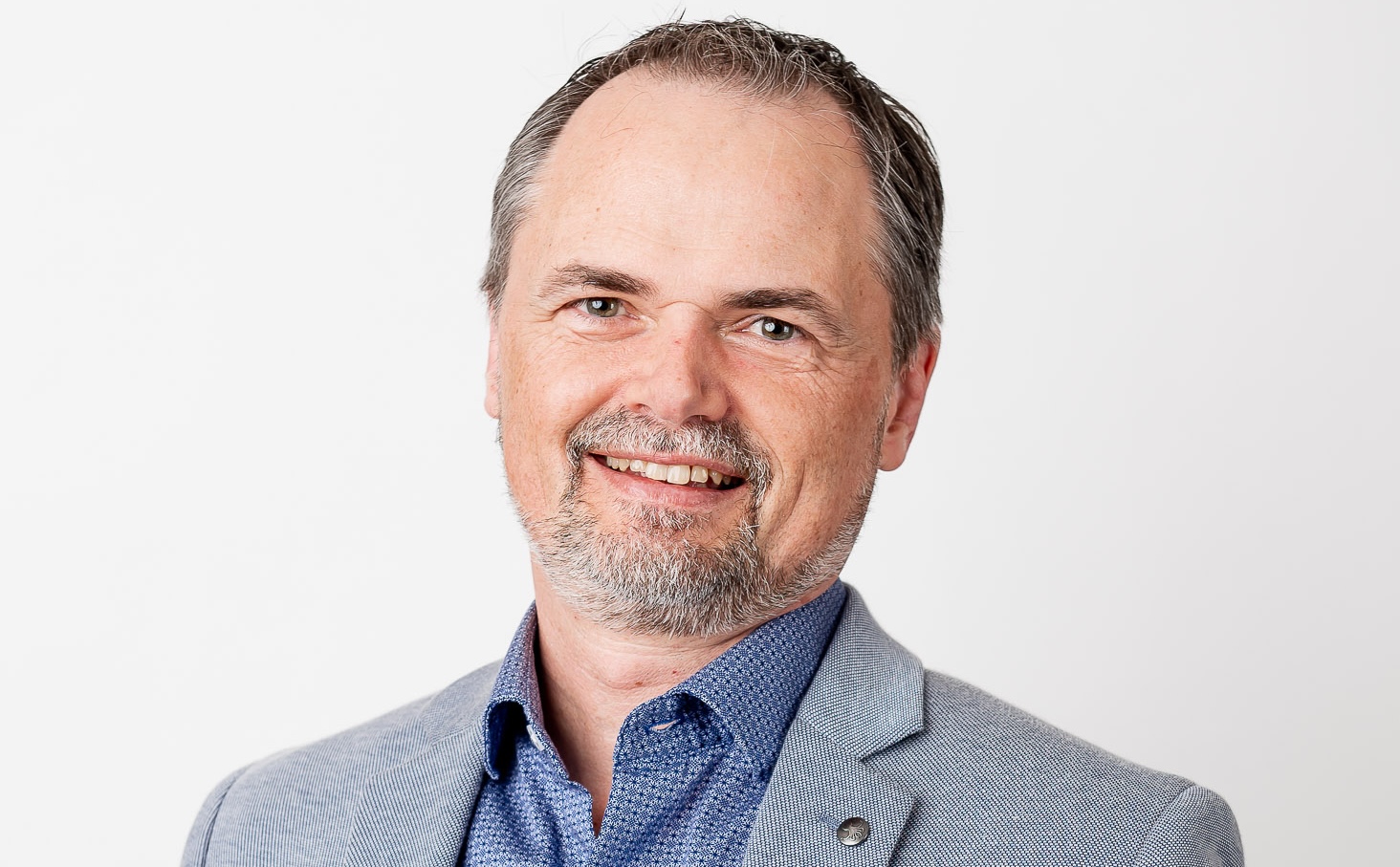
As Director of Strategic Initiatives, Paul Vermette has a hand in many collaborative projects across the network. He’s been walking alongside the Mental Health and Substance Use Working Group for the last several years as they find new and better ways to serve our communities.
Réseau Compassion Network: First off, can you tell us a bit about this working group and what brought them together?
Paul Vermette: This group of organizations1 all have a special responsibility to our communities to support people experiencing mental health and substance use issues. In addition, many of the people they see have medical challenges too. These folks are dealing with complexity, where one challenge they face makes it harder for them to address another one. This working group of organizations offer a really broad variety of services and leaders from these agencies have a shared belief: If they came together as an ecosystem to surround folks who need it most and make it easy to access services, they could do more good than by each organization acting alone.
People are falling through the cracks of our systems, and this working group is dedicated to changing that.
RCN: You talk about community members who need supports more than most; can you explain why some people face more barriers to getting care?
PV: These agencies have very similar observations in their day-to-day work: there are those with complex needs in health and social services who have a lot of supports and can navigate systems on their own. Perhaps they have personal or family supports, more financial means, or access to transportation. However, for someone who is facing a complex situation with no supports, is part of a group who often face discrimination, or perhaps has an intellectual disability, it can feel insurmountable to find the care you need. If transportation is difficult, if they don’t have someone to accompany them and be a second listening ear, if they have difficulty tracking their appointments and information, it becomes nearly impossible to hold it all together while trying to regain their health.
RCN: We know it’s early days, but the working group has some ideas percolating. What do they think could make a difference?
PV: There’s been a lot of discussion about how to close these gaps in care. Even a referral from one agency to another wouldn’t be enough if someone can’t physically get to the other location or the waitlist is six months long. These folks need someone in their corner; someone they can trust and to help navigate the system literally and figuratively. Many of our organizations are already screening folks at intake to see what kind of extra supports they might need to receive appropriate care, and some of those people might need care more urgently or might need different care from another organization. This concept of prioritized access, alongside with a system navigator or peer support could make a big difference to those facing the most barriers. It’s not something they can do for everyone, but they all agree they need to start with those who need these supports the most.
RCN: You’ve been sitting with this group for the last few years as they worked to find better ways to serve community. What have you noticed about them?
PV: I think a lot about the concept of the Wheel of Power, which helps us understand who inherently navigates our world with relative ease and who inherently encounters barriers. This group recognizes that our systems are much better suited to folks at the center of the Wheel of Power, and they want to prioritize folks on the outside of the wheel – those with less power. They’re purposefully making it easier for those folks to access services, and they want to rebalance the system as they go.
It really does make me think of the Sisters who founded our organizations; they were known to go to what they would have called back then “the margins”. They would have wanted us to do this work in this way, to support those who truly do need it most. It’s incredible to watch the working group come together and I feel very lucky to just witness their work. I’m hopeful to see the good things that will come from their work together.
1 Youville Centre, St.Boniface Hospital, St.Amant, Sara Riel, Marymound, Centre de santé Saint-Boniface, and Aulneau Renewal Centre