
While the members of Réseau Compassion Network cover a broad swath of care options, from mental health supports to long-term care and emergency departments to palliative care, there is a barrier that’s being face by almost every population we serve: loneliness.
Earlier this month in Geneva at a World Health Organization event, nearly 400 young leaders from over 40 countries declared loneliness and social isolation a global public health emergency. It’s yet another sign pointing to what front-line care providers have been concerned about for many years: increasing social isolation.
Research demonstrates that loneliness isn’t just a condition of the spirit; people who experience isolation face worse health outcomes, cognitive changes, hormonal and nervous system shifts and many other very real consequences. For many who receive services in our network living with a mental health disorder, a developmental disability or any other life circumstance that requires a little extra support, that isolation can easily compound.

“People with disabilities experience higher rates of loneliness, and it’s the stereotypes and attitudinal barriers that exist in society that causes that, not the disability,” explains Bre Brown, Quality Enhancement Lead for St.Amant’s Community Residental Program. “It feels like nobody has enough time for the deep listening it takes to really get to know someone. And if you happen to be someone who needs a bit more time because you communicate with a device, for example, then it’s an even bigger challenge.”
According to Brown, the isolation felt by people with disabilities can be devastating. “I once had someone tell me that he had no expectations for his life,” they said. “That’s what loneliness looks like. To be surrounded by 8 billion people on the planet and still feel alone, still not have much hope for connection or social inclusion.”
Arlene Libich, a Community Mental Health Peer Support Worker with Sara Riel, has listened to thousands of stories over her 10 years of employment with Seneca Respite Services and the Warm Line, two programs run by the non-profit organization. “We support up to five people at a time here in respite, where our services are best-suited for those persons requiring a break, experiencing isolation or encountering what we might term “pre-crisis” situations, prior to their escalation to crisis,” explains Libich. “Loneliness can be a very deep, sad feeling. You know that you’re not connecting with others, and you might have the expectations that you should be, so you also feel like you’re doing something wrong. You want someone to reach out to and aren’t sure where to start. It can be debilitating.”
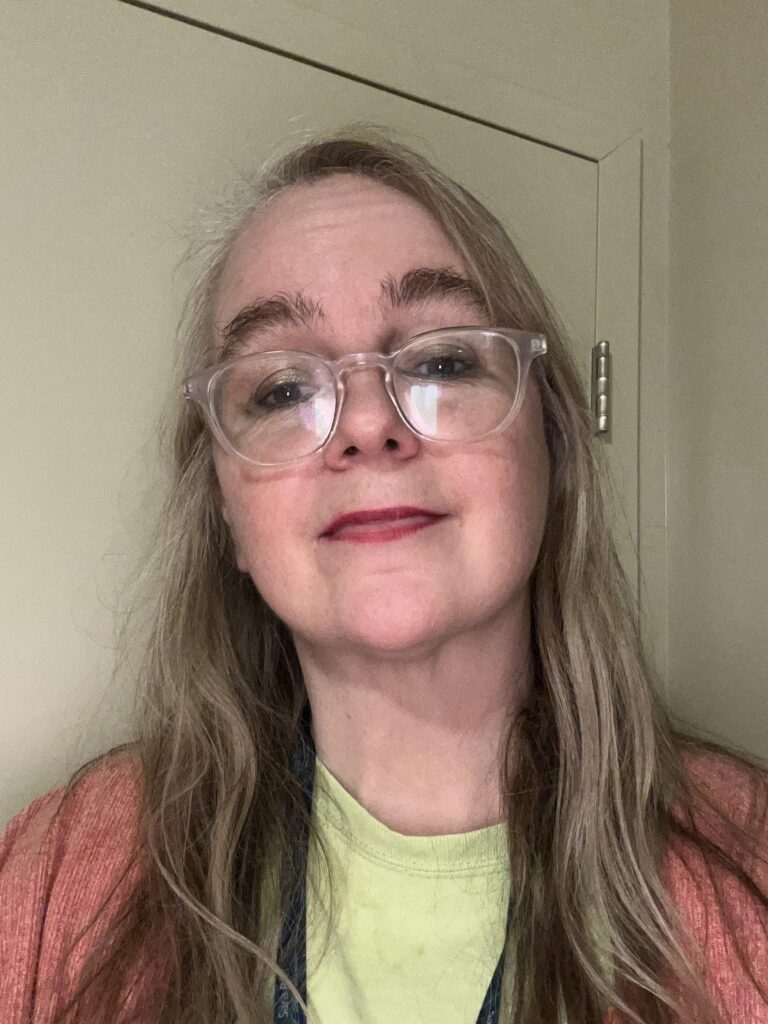
The Warm Line, a free service available to anyone who needs a listening ear, took over 30,000 calls during the first year of the pandemic, and its necessity hasn’t gone away. “We have people who call us once a day,” Libich continues. “We’ve become a part of their routine and their social outlet. We’re here to listen and that’s what so many people need.”
Both Brown and Libich are working hard to help create supports that uplift everyone’s ability to connect. At St.Amant, funding from Réseau Compassion Network helped launch a program designed to teach support workers how to improve the social connections and interests of those they work with. At Sara Riel, the Warm Line staff don’t give advice, but they’re certainly game to problem solve with callers.
“When I’m working on the phones, and someone wonders about how they might start to get a little more social, we talk about different ideas,” shares Libich. “I always share that we don’t have to start big. We can go down to the coffee shop and have a little chat with the barista when we order. Sometimes, even just getting outside and being around other people can help. Making social connections is something we can practice and get better at.”
Just as peer support workers answer the phones at the Warm Line, St.Amant also believes in the power of people with lived experience to help others. “We have a really amazing self-advocacy group here,” shares Brown. “They’re leading more of our work, are educating others by sharing their stories. What they’ve been saying all along is that just because someone requires support in their daily lives, that doesn’t mean they don’t have an ability to connect with others, it just means it might look different. I think that’s hugely important for us all to remember: every person, disability or not, needs different things to be successful in life.”
The network organizations who each work with our communities in their own way are all aware that the supports they offer to alleviate loneliness work best when people can also learn skills to support themselves. “We see the progress here at Seneca and on the Warm line when they become more confident and empowered to make connections on their own in community,” shares Libich. “We’ve watched so many people grow and evolve over the years, and it’s so nice to be able to be a small part of that.”
Brown knows that connection is more important than presence, and that alleviating loneliness for everyone in our community will require a shift in our common values. “We all say that we believe that every person has inherent worth, but we need to show them that,” they explain. “We need to hear them, see them and really be with them. Being valued by someone else is really the connection that we’re all after. This isn’t about people with disabilities ‘getting out there’ and making friends. This is about all of us getting out, getting together and getting to know each other. Reach out, we all need it.”